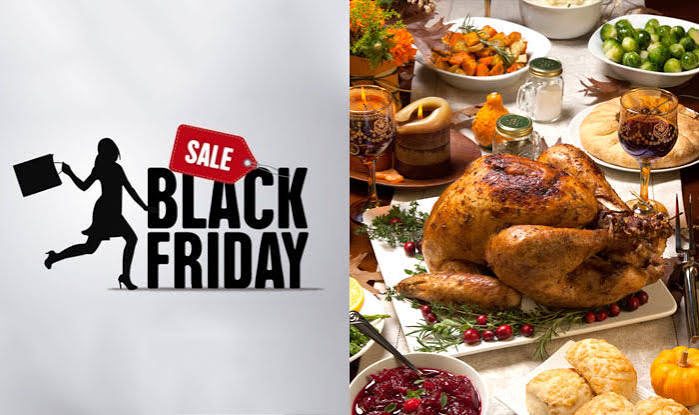
Few cultural exports have conquered the global calendar quite as rapidly—or as aggressively—as Black Friday. What began decades ago as a localized, post-holiday shopping rush in the United States has evolved into an international retail phenomenon that now dominates inboxes, high streets, and supply chains from Madrid to Tokyo. This week, at The London Eye – English Consultant, we’ll explore the historical link between Thanksgiving and Black Friday, examine how this commercial wave went global, and equip you with essential English vocabulary for retail, logistics, and corporate gratitude.
Understanding the relationship between these two dates offers valuable cultural insight when working with American clients or international e-commerce teams. Celebrated on the fourth Thursday of November, Thanksgiving is fundamentally a quiet, family-centered harvest festival focused on gratitude and reflection. Yet less than 24 hours later, the mood shifts dramatically into Black Friday—traditionally the official kickoff of the Christmas shopping season, named after the accounting practice of moving from losses («in the red») to profitability («in the black»).
1. How Black Friday Went Global: E-Commerce & Cultural Spillover
Even in countries that do not celebrate Thanksgiving, Black Friday—alongside Cyber Monday—has become the single most critical revenue window of Q4. Three major factors explain this global expansion:
- The Rise of Cross-Border E-Commerce: Online platforms eliminated geographic boundaries, allowing international retailers to adopt American promotional calendars overnight.
- Supply Chain Synchronization: Global manufacturers, logistics providers, and marketing agencies now plan their entire annual peak season around late November.
- Extended Campaign Windows: What used to be a 24-hour doorstep rush has stretched into «Black Week» or even «Black November,» reshaping consumer behavior worldwide.
2. High-Impact Vocabulary: Retail, E-Commerce & Logistics
Whether you work in marketing, operations, finance, or sales, these expressions dominate business conversations during the final week of November:
| Term | Professional Meaning | Real-World / Business Example |
| To be in the black / in the red | Operating at a profit (black) vs. operating at a financial loss (red). | «Strong Black Friday sales finally put the retail division in the black for Q4.» |
| Peak season | The busiest period of the year for sales, shipping, and customer demand. | «Our logistics team started hiring extra staff in October to prepare for peak season.» |
| Consumer behavior | The study of how individuals make decisions to spend their time and money. | «Inflation has shifted consumer behavior toward earlier, discount-driven online purchases.» |
| Loss leader | A product sold at a low price (or even a loss) to attract customers into a store or website. | «The electronics chain used heavily discounted TVs as a loss leader to boost overall foot traffic.» |
3. The Other Side of the Coin: The Language of Corporate Gratitude
While Black Friday drives commercial urgency, the spirit of Thanksgiving remains deeply embedded in Anglo-Saxon business culture. Late November is widely used by executives to thank teams, vendors, and long-term clients before the December rush:
- Acknowledging extraordinary effort:
- «As we wrap up a demanding Q4, I want to thank the entire operations team for consistently going the extra mile.»
- Valuing strategic partnerships:
- «We are truly grateful for your invaluable contribution to our shared success this year.»
- Recognizing milestones:
- «Reaching this year-end milestone wouldn’t have been possible without your dedication and trust.»
4. Thanksgiving & Black Friday Cheat Sheet
- Doorbuster deal: An aggressive, limited-time discount designed to draw shoppers immediately when a store opens or a sale goes live.
- «The website crashed at midnight due to overwhelming traffic for their doorbuster deals.»
- Supply chain bottleneck: A point of congestion in production or shipping that slows down the entire delivery process.
- «Warehouse automation helped prevent supply chain bottlenecks during the Cyber Monday rush.»
- To go the extra mile: To make a special effort beyond what is expected or required.
- «Our customer support reps really went the extra mile to resolve shipping delays before the weekend.»
- Foot traffic: The number of customers physically entering a retail store or commercial area.
- «While online orders surged, physical foot traffic remained steady across major shopping centers.»
Your Action Step for this week: How does Black Friday affect your industry—or your personal shopping habits? Write one sentence in the comments using either «peak season» or «go the extra mile»!
Example: «November is definitely peak season for our logistics department, and everyone has to go the extra mile to meet delivery deadlines!»

