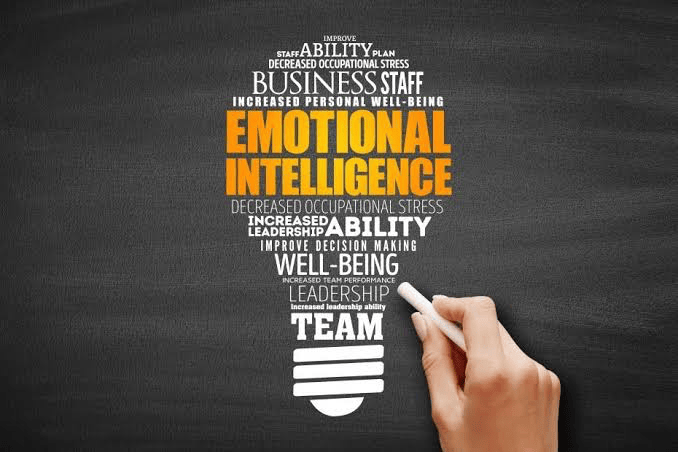
In recent weeks, our posts explored cross-cultural communication, high-impact presentations, and strategic budget planning. Today we are no longer talking about slides, deadlines, and corporate etiquette; we are talking about emotional intelligence, conflict resolution, and constructive feedback.
This week, at The London Eye – English Consultant, we’ll show how to handle professional disagreements with precision and confidence, preserving relationships while driving results.
Disagreements in the workplace are inevitable, but friction doesn’t have to lead to conflict. Professionals with high emotional intelligence (EQ) use diplomatic phrasing and active empathy to de-escalate tension, reframe arguments, and find mutually beneficial solutions.
1. The Art of Constructive Feedback: The «SBI» Framework
To give feedback that motivates rather than puts colleagues on the defensive, frame your thoughts using the Situation-Behavior-Impact (SBI) structure:
- Situation: Anchor your feedback in a specific time and place.
- «During yesterday’s Q4 alignment meeting…»
- Behavior: Describe the observable action without judgment or emotional language.
- «…when the timeline changes were presented without prior notice…»
- Impact: Explain the direct business outcome of that action.
- «…it created confusion regarding our delivery priorities.»
2. Reframing Disagreement: Diplomatic Alternatives
Swap rigid, reactive language for soft-entry expressions that open the floor for dialogue:
| Avoid Defensive Phrasing | Professional Upgrade | Why it works |
| «I disagree with your plan.» | «I see where you’re coming from, but have we considered the resource constraints?» | Validates their perspective before introducing a counterpoint. |
| «You missed the deadline.» | «Let’s circle back on the delivery timeline to see where the bottleneck occurred.» | Shifts focus from personal blame to collaborative problem-solving. |
| «That’s impossible.» | «That might be challenging given our current bandwidth.» | Softens the rejection while remaining clear and realistic. |
3. De-escalating Workplace Tension
When discussions get heated during negotiations or strategy meetings, these key expressions help lower the emotional temperature:
- To see eye to eye: To agree fully with someone.
- «We may not see eye to eye on the launch date, but we share the same ultimate objective.»
- To de-escalate: To reduce the intensity or severity of a situation.
- «Taking a short break allowed the team to de-escalate the argument and return with a fresh perspective.»
- Tactful: Showing skill and sensitivity when dealing with others or difficult issues.
- «Her tactful response during the client call prevented a major misunderstanding.»
4. Emotional Intelligence Cheat Sheet
- Soft skills: Personal attributes that enable someone to interact harmoniously and effectively with other people.
- To find common ground: To uncover shared interests or agreements between conflicting parties.
- Empathy: The ability to understand and share the feelings of another person in a professional context.
Your Action Step for this week: Think of a professional situation where you had to manage a difference of opinion. Write one sentence in the comments using either the phrase «find common ground» or «see eye to eye»!
Example: «Even when teams don’t see eye to eye on budget allocation, taking time to listen helps us find common ground!»

