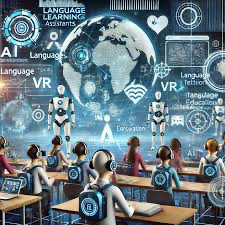
The world of language learning is constantly evolving, driven by technological advancements and innovative approaches. From interactive apps to immersive virtual reality experiences, the future of language learning is bright. This week, at The London Eye – English Consultant, we’ll delve into some of the exciting emerging technologies and trends shaping the future of how we acquire new languages, paying close attention to the rise of AI-powered tools.
Emerging Technologies and Trends:
- Artificial Intelligence (AI): AI is revolutionizing language learning in numerous ways. AI-powered apps can personalize learning paths, provide instant feedback on pronunciation, and even simulate conversations with native speakers. AI chatbots offer opportunities for language practice at any time. The latest large language models (LLMs) are pushing the boundaries of what’s possible.
- ChatGPT: This powerful language model can engage in natural-sounding conversations, answer grammar questions, and even help learners practice writing in different styles. It can act as a language partner for conversational practice.
- Google Gemini: Similar to ChatGPT, Gemini is designed to understand and generate human-like text. Its multimodal capabilities, including understanding images and audio, could revolutionize language learning by connecting language to real-world contexts.
- Microsoft Copilot: Copilot integrates AI assistance directly into productivity tools, offering real-time translation, grammar suggestions, and even helping users craft emails and documents in different languages.
- DeepSeek: DeepSeek is another powerful LLM focused on code generation and natural language understanding. Its capabilities could be used to create advanced language learning platforms that adapt to individual learning styles and provide highly personalized feedback.
- Virtual Reality (VR): VR offers immersive language learning experiences, transporting learners to virtual environments where they can interact with native speakers and practice their language skills in realistic scenarios. Imagine practicing ordering food in a virtual restaurant in London or negotiating a business deal in a virtual office in New York.
- Augmented Reality (AR): AR overlays digital information onto the real world, creating interactive learning experiences. AR apps can translate signs and menus in real-time, providing learners with instant access to new vocabulary and cultural insights.
- Gamification: Incorporating game-like elements into language learning can make the process more engaging and motivating. Many language learning apps use gamification techniques, such as points, badges, and leaderboards, to encourage learners to keep practicing.
- Personalized Learning: AI and other technologies are enabling personalized learning experiences tailored to individual learning styles and needs. Language learning platforms can now adapt to a learner’s pace, strengths, and weaknesses, providing customized lessons and feedback.
Final reflection regarding the advancements of this technology
As teachers, we find ourselves both excited and a little apprehensive about the rapid advancements in language learning technology. The potential benefits for our students are immense, but the implications for our own profession are something we think about a lot.
Ultimately, we believe that technology has the potential to transform language learning in positive ways. However, it’s crucial to approach these advancements with a critical and thoughtful perspective. As educators, we need to be proactive in shaping the future of language learning, ensuring that technology serves to enhance, not replace, the human element of teaching and learning. Our role is not threatened, but it is definitely changing. We need to embrace these changes, learn how to integrate these tools effectively, and focus on the uniquely human aspects of teaching that technology can’t replicate. The future of language learning is not about robots replacing teachers, but about teachers and technology working together to create richer, more personalized, and more effective learning experiences for all students. Happy learning, everyone!!

