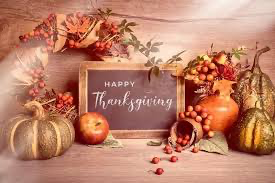
Thanksgiving is one of the most significant holidays in the United States and Canada, centered around expressing gratitude and gathering with loved ones. It’s a day deeply rooted in history, symbolizing harvest, survival, and shared community. This week, at The London Eye – English Consultant, we’ll delve into how understanding this celebration offers a key insight into North American culture and provides a rich vocabulary set for all English learners.
The Roots: A Harvest Feast of Survival
The holiday’s traditional origin dates back to 1621 in Plymouth, Massachusetts. A group of English settlers, known as the Pilgrims, had survived a brutal winter after arriving in the New World. They were taught by Native American tribes (specifically the Wampanoag people) how to plant, fish, and survive the harsh environment.
To celebrate a successful autumn harvest, the Pilgrims hosted a three-day feast to which they invited the Wampanoag. This event is often cited as the «First Thanksgiving.» While the historical context is complex and often debated, the holiday today represents a broader theme of bounty, peace, and mutual survival.
- Vocabulary Focus:
- Pilgrims: The English settlers who founded the Plymouth Colony.
- Wampanoag: The Native American tribe that helped the settlers.
- Harvest: The season’s gathering of crops.
- Bounty: A generous or plentiful supply of something (especially food).
- Survival: The state of continuing to live or exist.
The Meaning: Gratitude and Gathering
Today, Thanksgiving is celebrated on the fourth Thursday of November in the United States and on the second Monday of October in Canada. The core meaning is simple and powerful: taking a moment to pause and express thanks for the blessings and good things in one’s life.
- Family and Friends: It is primarily a family-focused holiday, often involving travel across the country for a large gathering.
- The ‘Thank You’ Moment: Before the meal begins, it is common for everyone at the table to share one thing they are particularly grateful for.
- Charity: Many people participate in acts of charity, volunteering at food banks or delivering meals to those less fortunate, reinforcing the spirit of giving.
The Feast: Iconic Thanksgiving Food
The culinary aspect is central to the celebration. The traditional Thanksgiving meal is hearty and specific, and the food vocabulary is essential for describing the celebration.
| Food Item | Description | Key Vocabulary |
| Turkey 🦃 | The undisputed main course, often roasted whole. | Roasted, carved, poultry |
| Stuffing | A mix of bread, herbs, vegetables, and seasoning cooked inside the turkey cavity or in a separate dish. | Savory, herbs, seasoned |
| Cranberry Sauce | A tart, sweet sauce made from cranberries, often served alongside the turkey. | Tart, garnish, accompaniment |
| Mashed Potatoes | Potatoes mixed with butter and milk, served with gravy (a thick sauce made from meat juices). | Creamy, gravy, rich |
| Pumpkin Pie 🥧 | The classic dessert, often topped with whipped cream. | Spiced, flaky crust, whipped |
Beyond the Table: Traditions and Activities
The day is filled with activities that are now ingrained in the culture:
- The Macy’s Thanksgiving Day Parade: A massive annual parade in New York City featuring giant balloons, floats, and musical performances.
- American Football: Watching professional football (NFL) games is a tradition that lasts all day, providing background entertainment during the meal preparation.
- Black Friday: The following day, Friday, marks the start of the holiday shopping season, known for massive sales and crowds. The name originated because it was the day retailers traditionally moved «into the black» (made a profit).
Understanding Thanksgiving helps you connect with North American culture, giving you vocabulary and context that is used year-round, particularly in discussions about family, gratitude, and food.
What is one thing you are grateful for this week? Share your thoughts in the comments!
 The London Eye - English Consultant