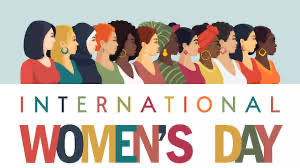
This week, at The London Eye – English Consultant, we join the global community in celebrating International Women’s Day. It’s a day to reflect on progress made, to call for change, and to celebrate the courage and determination of women who have played an extraordinary role in the history of their countries and communities. This year’s theme, «Imagine a gender-equal world. A world free of bias, stereotypes, and discrimination. A world that’s diverse, equitable, and inclusive. A world where difference is valued and celebrated. Together we can forge gender equality,» invites us to envision a future where everyone has the opportunity to thrive.
Imagine a world where potential is not limited by gender, where opportunities are accessible to all, and where voices are heard and respected. This vision is not just a dream; it’s a goal we can achieve together.
The Importance of Language in Shaping Reality
Language plays a crucial role in shaping our perceptions and reinforcing or challenging societal norms. By using inclusive language and understanding the nuances of terms related to equality, we can contribute to creating a more equitable world.
Vocabulary of Equality: Building Understanding
Let’s delve into some key vocabulary related to equality:
- Equality: This refers to the state of being equal, especially in status, rights, and opportunities. It emphasizes sameness in treatment and rights.
- Equity: Equity recognizes that each person has different circumstances and allocates the exact resources and opportunities needed to reach an equal outcome. It’s about fairness and justice.
- Gender Equality: This signifies that women and men enjoy the same status with equal conditions for realizing their full human rights and potential to contribute to national, political, economic, social and cultural development, and benefit from the results.
- Diversity: Encompasses the range of human differences, including but not limited to race, ethnicity, gender, sexual orientation, age, social class, physical ability or attributes, religious or ethical values system, national origin, and political beliefs.
- Inclusion: This refers to the practice or policy of providing equal access to opportunities and resources for people who might otherwise be excluded or marginalized, such as those who have physical or mental disabilities and members of other minority groups.
- Bias: A prejudice in favor of or against one thing, person, or group compared with another, usually in a way considered to be unfair.
- Stereotype: A widely held but fixed and oversimplified image or idea of a particular type of person or thing.
- Discrimination: The unjust or prejudicial treatment of different categories of people or things, especially on the grounds of race, age, or sex.
- Empowerment: The process of becoming stronger and more confident, especially in controlling one’s life and claiming one’s rights.
- Advocacy: Public support for or recommendation of a particular cause or policy.
Understanding these terms is crucial for engaging in meaningful conversations about gender equality and for taking action to create positive change.
Forging Gender Equality: Actions We Can Take
We can all contribute to forging gender equality in our daily lives:
- Challenge stereotypes: Be mindful of the language you use and challenge gender stereotypes whenever you encounter them.
- Promote inclusion: Create inclusive environments where everyone feels valued and respected.
- Support women’s empowerment: Advocate for policies and initiatives that empower women and girls.
- Educate yourself and others: Learn about the issues surrounding gender equality and share your knowledge with others.
- Be an ally: Stand up for gender equality and support those who are working to create a more just and equitable world.
Let’s use this International Women’s Day as a catalyst for change. By working together, we can create a world where gender equality is not just an aspiration, but a reality.
Click here for more information about the International Women’s Day 2025
How do you envision a gender-equal world? Share your thoughts and ideas in the comments below!
Check our PODCASTS section to listen the latest program about Gender-Equal World. Happy listening!!
 The London Eye - English Consultant
Thank you very much for the article, very interesting.
Me gustaMe gusta
Thank you very much Bea!!! I’m glad you’ve found it interesting! Big hug!!!
Me gustaMe gusta