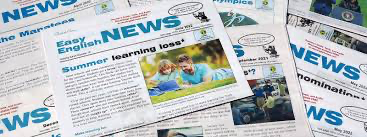
Staying up-to-date on current events is crucial, but did you know it can also be a powerful tool for expanding your English vocabulary? This week, at The London Eye – English Consultant, we’ll combine news literacy with language learning! We’ll explore how current events reporting uses specific terms and analyze how understanding these terms can make you both a more informed citizen and a more articulate English speaker.
News as Your Vocabulary Springboard:
Imagine reading an article about a groundbreaking scientific discovery. New vocabulary related to the research, like «biotechnology» or «genetic engineering,» might be used. By understanding these terms in context, you not only grasp the news itself but also add valuable words to your English repertoire. Read the latest articles at –> https://www.sciencenews.org
Let’s Deconstruct a News Article:
Here’s a breakdown of how language is used in current events reporting:
- Key Terminology: Reporters often use specific terms related to the topic at hand. These could be political terms like «sanctions» or «diplomacy,» economic terms like «inflation» or «recession,» or scientific terms like «sustainability» or «climate change.»
- Formal vs. Informal Language: News reports generally maintain a formal tone, but they might also use quotes from individuals involved in the story. Analyzing the shift between formal and informal language can enhance your understanding of register – how language adapts to different situations.
- Figurative Language and Emotional Appeal: Sometimes, articles use metaphors, similes, or other figures of speech to paint a vivid picture or evoke an emotional response. Recognizing these techniques helps you analyze the writer’s message more critically. Test your knowledge in any of these articles –> https://www.washingtonpost.com
Putting It into Practice:
Ready to test your skills? Find a current event that interests you and delve into the vocabulary used in the news report. Here are some questions to guide you:
- What are some key terms or phrases that stand out? Look them up in a dictionary and understand their meaning in the context of the article. You can use this online tool to help you –> https://www.wordreference.com
- Can you identify any formal vs. informal language used? Consider how the language choices affect the overall tone of the report.
- Are there any figures of speech used? If so, analyze how they contribute to the writer’s message.
Bonus Tip: Share your findings with a friend or classmate! Discuss the news story, the new vocabulary you learned, and how the language choices shaped your understanding of the event. Bonus link –> https://www.bbc.co.uk/learningenglish/english/course/newsreview-2024
Learning Through the News:
By actively engaging with current events and analyzing the language used, you’ll not only stay informed but also:
- Expand your vocabulary with relevant and up-to-date terms.
- Develop critical reading skills, allowing you to analyze information effectively.
- Gain a deeper understanding of different writing styles and registers.
So, the next time you browse the news, don’t just skim the headlines! Look for opportunities to learn new vocabulary and become a more informed and articulate English speaker. After all, the world of current events is a treasure trove of valuable language waiting to be explored!
 The London Eye - English Consultant